
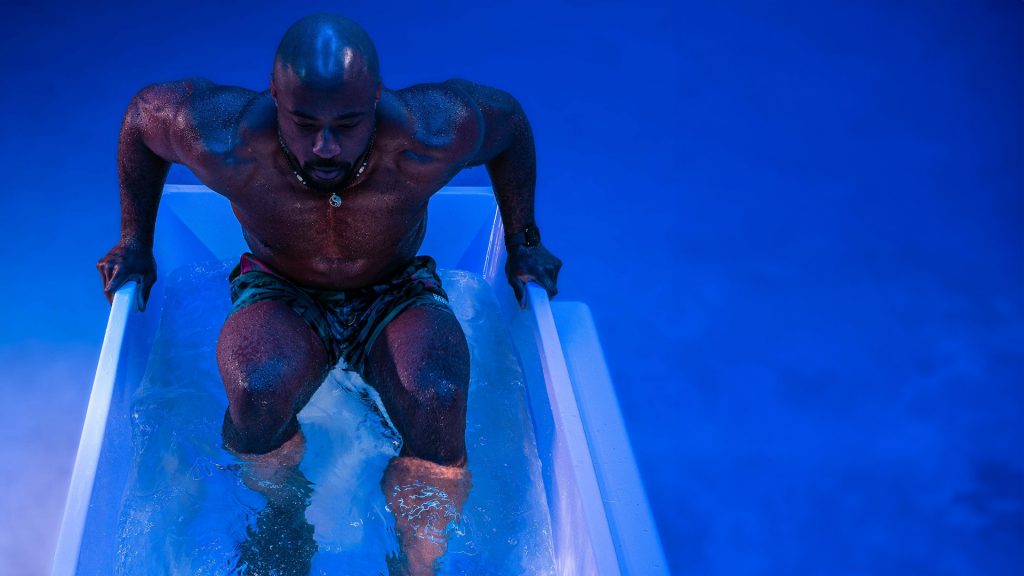
Digital illustration of the intended design and atmosphere. Final layouts and finishes may vary
Cold plunge therapy has become one of the most discussed recovery methods in recent years, but much of the conversation focuses on trends rather than practical application. For professionals living and working in Barbados, the value of cold immersion extends well beyond muscle recovery. It provides a structured way to manage the combined demands of physical training, cognitive performance, travel, and a consistently warm climate. Executives, entrepreneurs, and Welcome Stamp professionals often operate under continuous pressure, balancing international responsibilities while maintaining their health and productivity. In that context, recovery is no longer passive. It becomes an essential part of maintaining long-term performance. Cold plunge Barbados benefits are not about discomfort for its own sake. They are about creating a predictable recovery system that supports resilience, focus, and consistency throughout the year.
Why Cold Immersion Matters More in Barbados
Living in Barbados brings many advantages, but the tropical climate also creates unique physical demands. Heat and humidity increase cardiovascular strain, elevate core body temperature, accelerate fluid loss, and contribute to accumulated fatigue over time. Unlike colder climates, where the body naturally experiences regular cooling, Barbados maintains warm conditions throughout the year. This means the body spends much of its time managing heat rather than recovering from it.
Cold immersion provides an intentional contrast that the environment does not naturally offer. After training, it helps reduce inflammation, lower body temperature, and restore balance to the nervous system. For professionals who train consistently while managing demanding careers, this controlled cooling process supports recovery in a way that complements the climate rather than working against it. Instead of remaining under continuous thermal stress, the body experiences a structured recovery stimulus that prepares it for the next period of performance.
The Science Behind Cold Plunge Therapy
Cold immersion triggers a series of well-documented physiological responses that support both physical and cognitive performance. As the body enters cold water, blood vessels constrict, helping to regulate inflammation and reduce swelling within exercised tissues. Once the session ends and the body begins warming again, circulation increases, delivering oxygen and nutrients where they are needed most.
Cold exposure also stimulates the release of norepinephrine, a neurotransmitter associated with alertness, concentration, and improved mood. At the same time, regular cold exposure helps improve regulation of the autonomic nervous system, allowing the body to transition more efficiently between periods of stress and recovery.
These effects explain why many professionals report not only reduced muscle soreness but also greater mental clarity, sharper concentration, and improved resilience after incorporating cold immersion into their routine. Recovery becomes something that supports both body and mind simultaneously.
Why Executives Use Cold Exposure Differently
Many recreational gym users view cold plunges primarily as a way to reduce soreness after exercise. Executives often approach them from a different perspective. Physical recovery remains important, but cognitive performance frequently becomes the greater priority.
Modern leadership demands sustained concentration, emotional control, rapid decision-making, and the ability to remain composed under pressure. Travel across time zones, long virtual meetings, and continuous responsibility place significant stress on the nervous system. Cold immersion offers a structured opportunity to interrupt that stress cycle.
A brief session after training or before an important work block often creates a noticeable improvement in alertness and mental clarity. Rather than chasing intensity, professionals use cold exposure to restore consistency. The goal is not to feel stimulated for an hour. The goal is to maintain high-quality performance throughout the entire week.
Cold Plunge and Infrared Sauna Work Together
Cold plunge therapy is often discussed alongside infrared sauna because the two approaches complement one another remarkably well. Each serves a different physiological purpose.
Cold immersion reduces inflammation, enhances alertness, and improves nervous system regulation. Infrared heat increases circulation, promotes tissue relaxation, improves flexibility, and encourages recovery through gentle heat exposure.
Within a tropical climate like Barbados, this combination becomes particularly valuable. External temperatures already expose the body to significant heat throughout the day. Structured recovery allows that heat exposure to become therapeutic rather than simply exhausting. Alternating between carefully controlled cold and heat creates vascular training that improves circulation while helping the body adapt more effectively to physical stress.
Rather than competing recovery methods, cold plunge therapy and infrared sauna become complementary components of a complete recovery strategy.
Building Mental Resilience Through Controlled Stress
One of the least discussed benefits of cold immersion is its effect on psychological resilience. Entering cold water immediately increases breathing rate and heart rate. The body’s natural response is to resist the discomfort.
The value lies in learning to regulate that response.
By slowing the breath, remaining calm, and maintaining control during deliberate discomfort, the nervous system learns that stress does not always require panic or avoidance. This process develops emotional regulation that extends beyond physical training.
Professionals often describe becoming calmer during difficult conversations, more composed during periods of pressure, and less reactive when unexpected challenges arise. Cold exposure becomes a practical exercise in maintaining control rather than eliminating discomfort.
For leaders whose careers depend on sound judgment under pressure, this adaptation carries significant value.
Consistency Produces Better Results Than Intensity
One common misconception is that longer or colder sessions automatically produce greater benefits. Research and practical experience suggest otherwise. In Barbados, where the surrounding climate already provides continuous warmth, moderate and consistent exposure is generally far more valuable than extreme sessions.
Two to three minutes of controlled immersion performed two to four times each week often provides excellent recovery benefits for healthy adults. Some professionals prefer using cold immersion immediately after training, while others incorporate it into the morning to improve alertness before beginning work.
The key is not intensity. The key is consistency. Small, repeatable sessions integrated into a structured routine create better long-term outcomes than occasional extreme exposure.
Cold Therapy Is Part of a Larger Recovery System
Cold immersion should never be viewed as a complete recovery strategy by itself. Performance depends on multiple interconnected factors including sleep quality, nutrition, hydration, intelligent training, stress management, and recovery practices.
Cold plunge therapy becomes most effective when it supports these fundamentals rather than attempting to replace them. It helps reduce accumulated stress, but it cannot compensate for chronic sleep deprivation or poor training decisions. Likewise, it enhances recovery but does not remove the need for balanced nutrition or sensible workload management.
The strongest recovery systems combine multiple evidence-based practices into a routine that remains sustainable over many years.
Who Should Exercise Caution
Although cold immersion is appropriate for many healthy individuals, it is not suitable for everyone without consideration. People with significant cardiovascular disease, uncontrolled hypertension, certain neurological conditions, or other medical concerns should seek guidance from their healthcare provider before beginning regular cold exposure.
Recovery works best when it is applied intelligently rather than aggressively. Individual circumstances should always guide how any recovery method is introduced into a routine.
How The Leela Vida Supports Cold Plunge Recovery
At The Leela Vida, cold plunge therapy forms part of a complete executive recovery system rather than existing as an isolated feature. Members move directly from training into a dedicated recovery suite where cold immersion, infrared sauna, and red light therapy work together to support both physical adaptation and cognitive restoration. This integrated approach removes the gap that often exists between exercise and recovery, making consistent recovery far easier to maintain.
The cold plunge is maintained at carefully controlled temperatures to ensure every session remains safe, repeatable, and effective. The surrounding recovery environment has been designed to be quiet, private, and free from unnecessary distraction, allowing members to focus on breathing, relaxation, and nervous system regulation rather than external stimulation. Recovery becomes an intentional part of the daily routine rather than something postponed until later.
Because workspaces, recovery, and training all exist within one carefully managed environment, professionals are able to move naturally from physical performance into focused work without leaving the facility. This continuity reduces decision fatigue, preserves momentum, and allows the benefits of structured recovery to accumulate over time.
Recovery Is an Investment in Tomorrow’s Performance
Many people think of recovery as something they earn after working hard. High performers tend to view it differently.
Recovery is preparation.
It determines how clearly you think tomorrow, how well you train next week, and how consistently you perform over the coming months. Cold plunge therapy is one of the most effective ways to support that process because it creates a deliberate interruption to accumulated stress while helping the body return to balance.
In Barbados, where climate, travel, and demanding professional lives place constant pressure on the body, structured recovery is no longer a luxury.
It is part of the system that allows sustained performance to continue year after year.