Eduardo Arias

Why High Performers Track Reality, Not Feelings

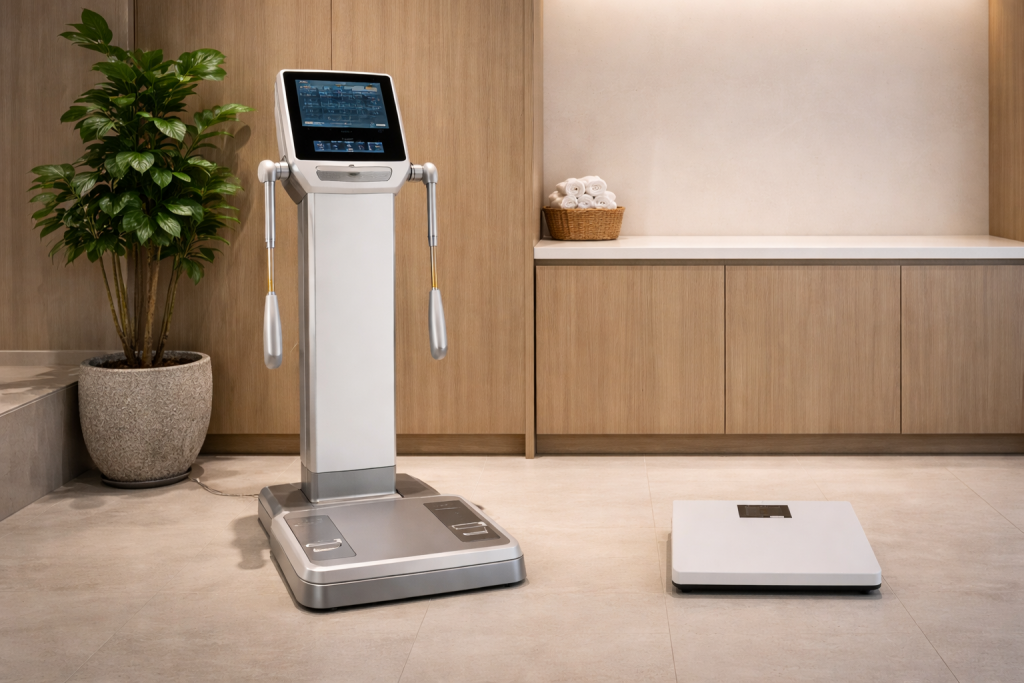
Digital illustration of the intended design and atmosphere. Final layouts and finishes may vary High-performing professionals make important decisions every day. They rely on judgment, experience, and instinct in many areas of their work, yet when it comes to health and performance, instinct alone is often misleading. Energy levels fluctuate. Motivation changes. Stress alters perception. A demanding week can make someone feel strong even while recovery is declining, while a single poor night’s sleep can create the impression that progress has disappeared altogether. Feelings provide useful feedback, but they rarely present the complete picture. Sustainable performance depends on understanding what is actually happening beneath the surface rather than reacting to temporary emotions. This is why professionals who consistently perform at a high level place increasing value on objective measurement. Data provides clarity where emotion creates uncertainty, allowing decisions to remain stable even when daily feelings change. Why Feelings Often Mislead Performance The human body constantly responds to stress, sleep, nutrition, hydration, workload, and countless other variables. These changes influence how we feel, but feelings rarely reflect the true state of recovery or physical adaptation. Someone may feel energetic after several coffees despite carrying significant sleep debt. Another person may feel tired after an intense training session while making excellent physiological progress. Hormones, stress, and daily pressures all influence perception, making it difficult to judge performance accurately through emotion alone. Objective measurement removes much of this uncertainty. Instead of relying on temporary sensations, it identifies patterns that develop over weeks and months. Those patterns provide a far more reliable foundation for decision-making. When professionals understand how their bodies are adapting over time, they become less likely to overreact to isolated good days or bad days. They make adjustments based on evidence rather than mood, creating greater consistency in both training and professional performance. Why Reactive Decisions Slow Progress Many people unknowingly allow their daily feelings to determine how they train. If they feel energetic, they increase intensity. If they feel tired, they cancel the session altogether. While this approach appears logical, it often creates cycles of overtraining followed by excessive recovery, making long-term progress far less predictable. High performers benefit from a different approach. Rather than reacting to temporary fluctuations, they monitor trends over time. Objective data allows them to identify gradual changes before they become problems. Recovery can be adjusted before fatigue begins affecting performance. Training loads can increase when the body is genuinely prepared rather than simply feeling motivated. This structured approach removes much of the guesswork from physical performance and helps maintain consistent progress throughout demanding periods. The Metrics That Matter Most One of the biggest misconceptions surrounding performance tracking is that everything must be measured. In reality, the opposite is often true. High performers usually monitor a relatively small number of meaningful indicators rather than collecting endless data. Body composition provides far greater insight than body weight alone. Lean muscle mass, body fat percentage, hydration status, balance between the left and right sides of the body, and long-term trends reveal how the body is adapting far more accurately than the number displayed on a scale. These measurements allow professionals to distinguish between genuine progress and temporary fluctuations caused by hydration, inflammation, or normal daily variation. By concentrating on meaningful indicators instead of countless statistics, professionals simplify decision-making while improving its quality. Why Body Weight Tells Only Part of the Story Many people continue to judge their progress almost entirely by body weight. While easy to measure, weight alone provides very little useful information about physical performance. Two people can weigh exactly the same while having completely different levels of muscle mass, body fat, hydration, and overall health. Even for the same individual, body weight changes throughout the day due to fluid balance, food intake, and other temporary factors. A lower number on the scale does not necessarily indicate better health, just as a stable weight does not guarantee positive progress. Body composition analysis provides a much more complete picture. It shows whether muscle is being gained or lost, whether body fat is changing appropriately, and whether hydration levels remain supportive of both training and cognitive performance. This allows professionals to make thoughtful adjustments instead of reacting emotionally to temporary changes on the scale. Recovery Is Measured, Not Assumed Many professionals underestimate how closely recovery influences mental performance. The brain depends on the same recovery processes as the muscles. When recovery declines, concentration becomes more difficult, reaction times slow, emotional resilience decreases, and important decisions require greater effort. These changes are often blamed on workload or stress alone when, in reality, the body may simply require additional recovery. Objective measurement helps identify these patterns before they begin affecting professional performance. Instead of waiting until fatigue becomes overwhelming, professionals can recognise early signs of excessive strain and make appropriate adjustments to training, workload, or recovery strategies. This approach protects both physical health and cognitive performance because problems are addressed while they remain small rather than after they have already disrupted daily life. Building Long-Term Clarity Through Measurement The greatest value of performance data comes from observing long-term trends rather than isolated results. One individual assessment provides useful information. A series of assessments completed consistently over many months provides something far more valuable: direction. Professionals begin to understand how their bodies respond to different training programmes, nutritional strategies, travel schedules, and periods of increased work pressure. Recovery becomes easier to manage because changes are identified early. Progress becomes easier to maintain because adjustments are based on objective evidence rather than temporary feelings. Over time, this creates a level of confidence that cannot be achieved through guesswork alone. Decisions become calmer, more precise, and more consistent because they are supported by reliable information. How The Leela Vida Supports Measured Performance The Leela Vida has been designed around the belief that meaningful progress should be measured rather than assumed. Members have access to advanced body composition technology that provides objective insight into physical adaptation over time, allowing progress to be monitored

Why High Performers Track Reality, Not Feelings Read More »

Focus and Recovery Without Burnout

The Hidden Cost of High Performance High-performing professionals are accustomed to carrying responsibility. They lead teams, make important decisions, solve complex problems, and often expect the same level of discipline from themselves in training as they do in business. Pushing through fatigue becomes normal, and productivity is often viewed as proof that everything is working. The difficulty is that the body keeps a different score. Continuous pressure without structured recovery gradually changes how the brain and nervous system function. Sleep becomes lighter, concentration becomes less stable, and decision-making loses precision long before obvious exhaustion appears. Burnout rarely arrives suddenly. It develops quietly through hundreds of small declines in energy, focus, and resilience that are easy to dismiss until they begin affecting both professional performance and physical health. The greatest danger is that effort usually remains high even while performance steadily declines. Burnout Begins Long Before You Feel Exhausted Most people imagine burnout as complete physical and mental exhaustion. In reality, it usually starts much earlier. The first signs are subtle enough that they are often mistaken for ordinary stress. Meetings require more effort to stay engaged. Patience shortens. Decisions take longer than they once did. Training sessions feel heavier despite following the same programme. Recovery between workouts slows without any obvious explanation. None of these changes appears dramatic in isolation, but together they signal that the nervous system is carrying more strain than it is able to recover from. Professionals frequently respond by working harder, believing greater effort will restore previous performance. Unfortunately, this approach often accelerates the problem because the underlying issue is not commitment. It is insufficient recovery relative to the demands being placed on the body and mind. Why Focus Begins to Decline Many people describe focus as a mindset, yet it is more accurately a reflection of biological readiness. Stable blood glucose, adequate sleep, balanced nervous system activity, hydration, movement, and a supportive environment all influence the brain’s ability to concentrate. When these factors become inconsistent, attention naturally weakens. Modern working habits make this even more challenging. Constant notifications, emails, messaging platforms, and digital interruptions repeatedly pull the brain away from meaningful work. Research has shown that after an interruption it often takes many minutes to return to the same depth of concentration. Throughout an average working day this repeated disruption quietly consumes hours of productive thinking. Professionals often blame themselves for losing focus when, in reality, the environment has made sustained concentration almost impossible. The Environment Shapes Mental Performance The places in which professionals spend their time have a profound effect on cognitive performance. Busy public spaces require continual adaptation. Conversations happen nearby, people move constantly through the room, phones ring, and unexpected interruptions become part of the normal experience. The brain continues filtering these distractions even when we believe we are concentrating, reducing the mental resources available for strategic thinking and creative problem-solving. This applies equally to training environments. Crowded fitness centers, long waits for equipment, and constant interruptions reduce the quality of physical training just as noisy workspaces reduce the quality of professional work. High performers benefit from environments that minimise unnecessary stimulation because less energy is spent reacting to distractions and more energy remains available for meaningful performance. Recovery Is an Essential Part of Performance Recovery is often misunderstood as doing nothing. In reality, effective recovery is an active process that restores the body’s capacity to perform at a consistently high level. Every demanding workout, important meeting, difficult negotiation, or long working day places stress on the body. Without structured recovery, those stresses accumulate faster than the body can repair them. Sleep remains the foundation because it supports hormonal balance, cognitive restoration, tissue repair, and nervous system recovery. However, sleep quality is influenced by everything that happens during the day. Excessive stress, inconsistent nutrition, prolonged sitting, and insufficient recovery all reduce the body’s ability to enter restorative sleep. Additional recovery methods strengthen this process further. Cold water immersion helps regulate inflammation and supports nervous system recovery. Infrared heat encourages circulation and muscular relaxation. Red light therapy supports cellular repair and mitochondrial function. Used consistently, these tools help professionals recover more efficiently, allowing them to maintain performance throughout demanding weeks rather than experiencing repeated cycles of exhaustion. The Burnout Cycle Is Predictable Burnout rarely develops randomly. It follows a familiar pattern. Motivation is initially high, so professionals increase their workload while maintaining demanding training schedules. Recovery receives less attention because it feels less urgent than immediate responsibilities. Performance improves for a period before gradually reaching a plateau. As progress slows, many people instinctively increase effort once again. Working hours become longer, training intensity rises, and recovery continues to decline. Eventually the body forces a correction. Sleep deteriorates further, decision-making becomes slower, training quality declines, and emotional resilience weakens. If the pattern continues, illness, injury, or complete mental exhaustion often become unavoidable because the body has no remaining capacity to compensate. Breaking this cycle requires changing the structure rather than increasing effort. Recovery must become a fixed part of the programme instead of something postponed until there is spare time. Building a Sustainable High-Performance Routine Professionals who perform consistently over many years rarely rely on extraordinary motivation. Instead, they build routines that protect both physical and cognitive capacity. Their mornings often contain the most demanding work because attention is naturally strongest during the first part of the day. Training follows structured programmes that balance strength, cardiovascular fitness, mobility, and recovery rather than emphasising maximum intensity every session. Meals remain consistent enough to maintain stable energy throughout the day, avoiding large fluctuations that affect concentration and mood. Perhaps most importantly, recovery is scheduled rather than treated as optional. Time is deliberately allocated for sleep, recovery therapies, movement, and periods away from constant digital stimulation. These routines reduce decision fatigue while creating predictable patterns that support long-term performance instead of short bursts of exceptional effort. How The Leela Vida Supports Sustainable Performance The Leela Vida has been designed around the understanding that environment shapes behaviour.

Focus and Recovery Without Burnout Read More »

Focus Is the Missing Lever

Digital illustration of the intended design and atmosphere. Final layouts and finishes may vary Focus Is the Difference Between Effort and Results Most professionals are not lacking commitment. They already train consistently, follow a structured nutrition plan, monitor their health, and make a genuine effort to improve. On paper, everything appears to be moving in the right direction. Yet progress often feels slower than expected. The missing factor is rarely effort. More often, it is attention. Modern life divides focus across too many environments. Work competes with notifications. Training competes with crowded facilities. Recovery is interrupted by travel, meetings, and constant decisions. Each interruption appears insignificant, but together they dilute the quality of every hour invested. High-performing individuals rarely fall behind because they lack knowledge. They fall behind because their attention is continually fragmented by environments that were never designed to support sustained performance. When focus weakens, execution suffers. When execution suffers, results inevitably slow. Focus Is a Performance Multiplier The value of focus extends far beyond productivity. It increases the return on every minute invested, whether that time is spent training, working, or recovering. One uninterrupted hour of concentrated effort often produces more meaningful results than several distracted hours spread throughout the day. In the gym, focused training improves technique, movement quality, and neurological engagement, allowing each repetition to produce greater value. In professional work, sustained concentration leads to clearer thinking, faster decision-making, and higher-quality outcomes. Small improvements in daily focus compound over weeks, months, and years into significant advantages. Executives understand the concept of leverage in business and finance. Focus works in exactly the same way. It improves output without demanding additional time, making it one of the most valuable assets a professional can protect. The Environment Is Usually the Limiting Factor Many people assume that focus depends entirely on personal discipline. In reality, the surrounding environment has an enormous influence on the ability to concentrate. Most public spaces are designed to accommodate as many people as possible rather than to protect attention. Busy fitness centers prioritise volume. Shared workspaces encourage activity and collaboration. Cafés are designed for constant movement rather than sustained concentration. Each of these environments introduces interruptions that gradually increase cognitive load. Waiting for equipment, adjusting to background noise, or constantly responding to changing circumstances requires mental energy that could otherwise be directed towards meaningful work. High-performing professionals eventually recognise that improving performance is not simply about trying harder. It is about choosing environments that remove unnecessary friction and allow concentration to develop naturally. Structure Protects Focus Better Than Motivation Motivation is valuable, but it is also unpredictable. It changes with sleep quality, workload, stress, travel, and countless other factors that professionals cannot fully control. Structure is far more reliable because it removes the need to make repeated decisions throughout the day. When training takes place at a consistent time, meals follow a predictable pattern, and work begins within a familiar environment, the mind spends less energy organising the day and more energy executing it. Predictable routines reduce decision fatigue and allow attention to settle more quickly into meaningful work. Rather than depending on enthusiasm each morning, professionals build systems that make productive behaviour the natural outcome. Over time, these systems become far more powerful than motivation because they continue working even during demanding periods when energy is lower. Why Even Strong Routines Eventually Break Many people begin with excellent intentions and carefully planned routines, only to find themselves becoming inconsistent several months later. This is rarely because they stopped caring. More often, small sources of friction gradually accumulated until maintaining the routine required more effort than expected. Waiting for equipment interrupts training. Unexpected noise disrupts important work. Recovery is postponed because it requires another journey across town. Healthy meals become rushed because schedules become fragmented. None of these interruptions appears significant on its own, yet together they steadily weaken consistency. Eventually, people begin believing they have lost discipline when, in reality, their environment has simply made discipline increasingly difficult to maintain. Long-term success depends less on extraordinary willpower and more on removing the obstacles that quietly interrupt healthy routines every day. How The Leela Vida Protects Focus The Leela Vida has been designed around a simple principle: focus should be supported by the environment rather than left entirely to personal effort. Membership is intentionally limited to preserve calm surroundings, immediate access to equipment, and a consistent training experience without unnecessary waiting. The luxury fitness center encourages uninterrupted exercise where members are able to follow their programme exactly as planned. Private executive workspaces provide quiet environments where professionals can complete demanding work without the distractions commonly found in cafés or shared offices. The recovery suite sits alongside both training and work, allowing members to move naturally from physical effort into structured recovery before returning to their responsibilities with renewed energy. Healthy dining completes the experience by removing another common source of decision fatigue. Each element has been planned to reduce unnecessary transitions and preserve mental clarity throughout the day. Instead of continually adapting to changing environments, members move through one carefully designed system that supports productivity, health, and long-term consistency. Why Focus Deserves Protection Many professionals spend years searching for better programmes, more advanced training methods, or increasingly sophisticated productivity techniques while overlooking the one factor that influences all of them: attention. Without focus, even excellent strategies produce inconsistent results. With focus, ordinary routines become remarkably effective because they are executed with consistency and precision. Protecting attention is therefore not simply about working more efficiently. It is about creating an environment where high-quality decisions become easier to make, meaningful work receives the concentration it deserves, and healthy routines are maintained without unnecessary resistance. That philosophy sits at the centre of The Leela Vida. Not because focus is difficult. But because the right environment makes it much easier to protect.

Focus Is the Missing Lever Read More »

Lap Pool in Barbados: Built for Discipline, Not Leisure

Infinity lap pool in Barbados at Leela Vida overlooking the ocean, designed for disciplined swimming and focused training

Illustration for conceptual purposes. Actual facilities and experiences at The Leela Vida may vary. Why a Dedicated Lap Pool Matters More Than a Leisure Pool Swimming is one of the most effective forms of exercise available, yet the environment in which it takes place determines whether it becomes part of a long-term routine or simply an occasional activity. Most pools in Barbados are designed primarily for relaxation. They are ideal for cooling off, spending time with family, or enjoying the outdoors, but they are not designed for structured training. Wide open spaces, varying depths, and unrestricted movement make it difficult to establish rhythm or measure progress. Swimmers constantly adjust to other people, change direction unexpectedly, or interrupt their pace. For professionals who value consistency, these interruptions gradually reduce the appeal of swimming as a serious training tool. The problem is not swimming itself. The problem is that most leisure pools are not designed to support disciplined performance. Why Pool Design Influences Performance A dedicated lap pool changes the entire experience because it has a different purpose from the moment it is designed. Rather than prioritising recreation, every element supports structured movement. Clearly defined lanes encourage consistent pacing. The layout naturally creates direction and rhythm, allowing swimmers to maintain uninterrupted intervals without constantly changing course or avoiding other users. This structure transforms swimming from casual exercise into measurable training. Progress becomes easier to track because distance, pace, and endurance can all be repeated under consistent conditions. Like any well-designed training environment, the pool encourages routine rather than improvisation. The body responds positively to this predictability, gradually adapting to repeated effort while improving cardiovascular fitness, muscular endurance, and overall conditioning. Why Pool Length Matters The length of a lap pool plays an important role in the quality of training. Short pools require frequent turns that interrupt breathing patterns and reduce the opportunity to establish a natural rhythm. Every turn briefly breaks momentum, making longer intervals more difficult to sustain. A 50-foot lap pool provides a far more effective balance between space and practicality. Swimmers have sufficient distance to settle into a consistent stroke pattern, regulate breathing, and maintain steady effort before turning. This creates smoother training sessions where endurance, pacing, and technique can be developed more effectively over time. Rather than feeling like a recreational swim, each session becomes purposeful. Warm-ups, interval training, recovery laps, and endurance work all fit naturally within the same environment, allowing members to follow structured programmes that produce measurable improvement. Environment Builds Discipline Many people believe discipline comes entirely from personal motivation. In reality, the environment plays an enormous role in determining whether healthy habits are maintained. Well-designed environments reduce unnecessary decisions and encourage consistent behaviour almost automatically. A dedicated lap pool follows this principle. Members arrive, enter their lane, begin their session, complete their programme, and finish without unnecessary interruption. There is very little uncertainty because the environment has already established the structure. This simplicity encourages consistency. Training becomes something that naturally fits into the day instead of requiring constant planning or adjustment. Over time, the routine becomes easier to maintain because the environment supports it rather than competing against it. Swimming Becomes Part of a Complete Performance System Swimming offers significant cardiovascular and muscular benefits on its own, but its value increases substantially when it forms part of an integrated performance routine. Following a structured swim session with recovery therapies allows the body to transition efficiently from physical stress into recovery. Cold water immersion helps reduce inflammation after demanding training. Heat therapy encourages circulation and muscular relaxation. Red light therapy supports cellular recovery and tissue repair. Together, these elements create a complete training cycle where exercise and recovery support one another instead of existing as separate activities. For busy professionals, this integration is particularly valuable. Rather than organising multiple appointments across different locations, everything happens within one carefully designed environment. Time is saved, routines become easier to maintain, and recovery becomes part of the training process rather than something postponed until later. The Mental Benefits of Structured Swimming Swimming in a dedicated lap pool creates benefits that extend beyond physical fitness. The repetitive rhythm of controlled breathing, consistent movement, and uninterrupted laps encourages a level of mental focus that is increasingly difficult to achieve during a busy working day. For many professionals, this becomes an opportunity to disconnect from constant digital stimulation while remaining physically active. The structured nature of lap swimming encourages concentration without requiring constant decision-making. Attention narrows naturally towards breathing, movement, and pacing, allowing the mind to settle while the body continues working. This combination of physical effort and mental clarity explains why swimming remains one of the preferred forms of exercise for many executives, entrepreneurs, and professionals seeking sustainable performance over the long term. A Different Standard for Aquatic Training A dedicated lap pool naturally feels different from a recreational swimming pool. The atmosphere is calmer, the purpose is clearer, and every aspect of the environment encourages structured movement rather than casual activity. This is not intended to reduce enjoyment. Instead, it reinforces the idea that the space exists to support consistent training and measurable progress. The quieter atmosphere also complements the wider philosophy of a luxury fitness center designed around focus, efficiency, and long-term performance. Members are able to train without unnecessary interruption, maintain their routines more consistently, and integrate swimming into a broader programme that includes strength training, recovery, and healthy nutrition. Why The Leela Vida Chose This Approach The lap pool at The Leela Vida has been designed as part of a complete performance environment rather than as a leisure feature. Its purpose is to support structured aquatic training that complements strength training, recovery therapies, and professional productivity within the same location. Like every other element of The Leela Vida, the pool reflects a simple philosophy. Environments shape behaviour. When an environment encourages consistency, healthy habits become easier to maintain. When those habits are repeated over time, they produce meaningful results. The lap pool is therefore much

Lap Pool in Barbados: Built for Discipline, Not Leisure Read More »

Private Workspace Pods in Barbados for Focused Work

Illustrative rendering. Design, finishes, and configuration subject to change. Focus Is the Constraint The greatest challenge facing modern professionals is no longer knowledge or ambition. It is the ability to protect uninterrupted attention. Every day is filled with notifications, emails, meetings, messages, and unexpected requests, each demanding a small piece of mental energy. Individually these interruptions seem insignificant. Collectively they prevent meaningful work from happening. Strategic thinking requires long periods of uninterrupted concentration, yet most professionals rarely experience them. In Barbados, the problem is often made worse by the lack of environments specifically designed for focused work. Cafés, hotel lounges, villas, and shared offices provide comfortable places to sit, but they rarely provide the conditions needed for sustained concentration. Background conversations, movement, changing noise levels, and constant visual distractions quietly reduce the quality of work being produced. The result is a longer working day without a corresponding increase in output. High-performing professionals understand that focus is not created through greater effort alone. It is protected by choosing an environment that removes unnecessary distractions before work even begins. Environment Shapes Cognitive Performance The quality of your surroundings has a direct influence on the quality of your thinking. When the brain is exposed to continual movement, background conversations, visual clutter, and frequent interruptions, it spends valuable energy filtering information that has nothing to do with the task at hand. Even when these distractions appear minor, they reduce the ability to maintain deep concentration for extended periods. In contrast, a calm and carefully controlled environment allows attention to settle naturally. Strategic planning becomes clearer. Complex problems are solved more efficiently. Decisions are made with greater confidence because mental resources remain directed toward meaningful work rather than constant adaptation. Professionals often assume they need better time management when, in reality, they need an environment that allows them to think without interruption. The difference between an ordinary workspace and a high-performance workspace is often measured not by the furniture or technology, but by how effectively the environment protects attention. Designed for Focus, Not Coworking Many shared workspaces promote collaboration, conversation, and community. Those qualities certainly have value, but they are not always compatible with deep concentration. Shared environments inevitably introduce unpredictability. Different people arrive throughout the day, conversations begin unexpectedly, phones ring, and movement continually catches the eye. Professionals whose work depends on sustained attention often find themselves expending more energy managing distractions than completing important tasks. The Workspace Pods at The Leela Vida have been designed with a different objective. They are not intended to replicate a traditional coworking environment. Instead, they provide individual spaces where professionals are able to work without unnecessary interruption. The atmosphere is quiet, visually restrained, and intentionally free from distractions that compete for attention. Rather than encouraging interaction, the environment supports concentration, allowing members to immerse themselves fully in the work that matters most. Every Detail Supports Deep Work Meaningful work requires more than silence. It requires an environment where every detail contributes to sustained concentration. Inside the Workspace Pods, simplicity is intentional. Work surfaces remain uncluttered, allowing professionals to organise their devices and documents without distraction. Seating supports comfortable posture during extended work sessions while reducing physical fatigue. Lighting has been selected to maintain alertness without creating glare or unnecessary strain, and high-speed connectivity is immediately available so work begins without delays or technical frustration. Nothing inside the workspace competes for attention. There are no unnecessary decorative features, excessive visual stimulation, or constant reminders of activity happening elsewhere. The objective is not to create an impressive office. It is to create a place where concentration feels natural, allowing professionals to remain engaged with demanding work for longer periods without mental exhaustion. Privacy Protects Better Decisions Many executives and business owners work with information that requires discretion. Financial discussions, strategic planning, confidential client information, and sensitive communications deserve an environment where privacy is protected rather than compromised. Traditional shared workspaces rarely provide this level of confidence. Even when conversations remain quiet, the presence of unfamiliar people nearby often changes how openly professionals communicate. The Workspace Pods have been designed to address this concern by creating spaces where conversations remain private and attention remains undisturbed. Members know where they will work, when the space is available, and the conditions they can expect each time they arrive. This consistency removes uncertainty from the working day and allows professionals to plan with confidence, knowing their environment will support the quality of work they intend to produce. Integrating Work Into a Performance Routine For many professionals, productivity is closely connected to physical and mental wellbeing. Long hours of uninterrupted desk work often reduce energy, concentration, and creativity. Likewise, separating work, exercise, and recovery into different locations introduces unnecessary travel and constant changes in mindset throughout the day. The Leela Vida has been designed to bring these activities together within one integrated environment. Members are able to move naturally from training into focused work before transitioning into structured recovery, all without leaving the property. This continuity reduces unnecessary travel, preserves mental momentum, and allows each activity to support the next. Physical movement improves alertness before work begins. Focused work benefits from a protected environment. Recovery restores both physical and cognitive energy before the next stage of the day. Rather than treating these activities as separate responsibilities, The Leela Vida brings them together into one structured daily rhythm. The Leela Vida Performance System The Workspace Pods are not simply another business amenity within a luxury fitness center. They form an essential part of a broader performance system designed for professionals who value focus, efficiency, and consistency. Training supports physical capacity. The Workspace Pods protect cognitive performance. Recovery restores energy and prepares the body and mind for continued high-quality output. Healthy dining further supports sustained performance throughout the day. Together, these elements create an environment where professionals spend less time managing logistics and more time doing meaningful work. Every transition has been carefully considered to reduce unnecessary friction and preserve attention. The goal is simple.

Private Workspace Pods in Barbados for Focused Work Read More »

The Executive Meeting Room Designed for Clear Decisions

Digital illustration of the intended design and atmosphere. Final layouts and finishes may vary The Executive Meeting Room at The Leela Vida has been designed with one purpose in mind: helping professionals think clearly, make better decisions, and use their time well. It is not simply another meeting room inside a fitness center. It is part of a carefully planned performance environment where work, training, recovery, and focus exist within one integrated system. Every aspect of the space has been created to reduce distraction, protect attention, and support productive conversations. Senior professionals rarely need larger rooms or more technology. They need an environment that allows important discussions to happen without interruption. At The Leela Vida, the Executive Meeting Room reflects that philosophy by providing a calm, structured setting where meaningful work can take place. An Environment That Supports Better Thinking The quality of a meeting is influenced as much by the environment as it is by the people around the table. Open spaces, background noise, frequent interruptions, and constant movement gradually reduce concentration, even when participants believe they are focused. Every distraction forces the brain to divide its attention, making thoughtful discussion more difficult. A controlled meeting environment removes these unnecessary demands. Conversation becomes calmer, ideas are explored more thoroughly, and decisions are reached with greater confidence. Rather than competing with the surroundings, attention remains directed towards the discussion itself. This creates meetings that feel purposeful rather than rushed, allowing participants to focus entirely on the work in front of them. Access That Protects the Environment The quality of any professional environment depends largely on consistency. Spaces that are continually used by different groups with different expectations often lose the atmosphere that makes them effective. The Executive Meeting Room at The Leela Vida has therefore been designed primarily for members and their invited guests. This approach helps preserve the professional standards, privacy, and quiet atmosphere that members expect. Meetings take place within a trusted environment where confidentiality is respected and the experience remains consistent from one session to the next. Rather than operating as a public venue, the room forms part of a broader environment designed to support professionals who value structure, discretion, and productive use of their time. Designed for Productive Conversations Capacity influences the quality of discussion far more than many organisations realise. Large groups often encourage passive participation, making it easier for individuals to remain silent while only a small number contribute meaningfully. Smaller groups naturally create greater engagement, stronger accountability, and more direct conversation. The Executive Meeting Room has therefore been designed to comfortably accommodate up to fifteen people, allowing every participant to contribute without the discussion becoming fragmented. Eye contact remains natural, conversations flow more easily, and decisions are reached more efficiently because everyone remains actively involved. The room encourages focused dialogue rather than lengthy presentations, creating meetings where progress is made instead of merely discussed. Integrated Into the Working Day One of the greatest advantages of the Executive Meeting Room is not the room itself but its position within the wider Leela Vida environment. Members are able to move naturally between focused work, structured training, recovery, and professional meetings without leaving the property. This continuity reduces unnecessary travel, preserves mental momentum, and allows the day to unfold with far fewer interruptions. Many professionals find that physical movement before important meetings improves concentration and reduces mental fatigue. Recovery following demanding work helps restore energy before returning to other responsibilities. By placing these elements together within one location, The Leela Vida allows professionals to organise their day around performance rather than logistics. Every Detail Supports Focus The Executive Meeting Room has been designed with restraint rather than excess. Every element serves a practical purpose. Comfortable seating supports longer discussions without encouraging fatigue. Carefully planned lighting reduces eye strain while maintaining alertness throughout the meeting. Acoustic treatment allows conversation to remain clear without requiring raised voices, creating a calm atmosphere that encourages thoughtful discussion. Technology is reliable and straightforward so meetings begin without unnecessary delays or technical distractions. Nothing has been included simply to impress. The objective is to create an environment where attention remains directed towards the discussion rather than constantly being pulled elsewhere. The result is a meeting room that feels calm, organised, and highly functional. Supporting Modern Professional Life The way professionals work has changed significantly over the past decade. Many executives now divide their time between offices, remote work, travel, and international meetings. They need environments that provide flexibility without sacrificing professionalism. Increasingly, they value spaces that allow work to continue alongside health, recovery, and personal wellbeing rather than forcing each activity into separate locations. The Executive Meeting Room reflects this shift. It supports professionals who want to conduct important meetings, continue focused work, maintain their training routine, and recover effectively, all within one carefully managed environment. Rather than separating these activities, The Leela Vida brings them together into a single daily rhythm that supports both productivity and long-term performance. The Leela Vida Standard Most meeting rooms simply provide a place for people to gather. The Executive Meeting Room at The Leela Vida has been created to support something far more valuable: clear thinking, productive discussion, and decisive action. Every aspect of the environment has been designed to reduce unnecessary friction while helping professionals use their time more effectively. Like every part of The Leela Vida, the room reflects a simple philosophy. Better environments produce better habits. Better habits produce better decisions. And over time, better decisions shape better outcomes. For professionals who value privacy, structure, and consistency, the Executive Meeting Room becomes more than a place to hold meetings. It becomes an environment where important work is able to happen at its highest standard.

The Executive Meeting Room Designed for Clear Decisions Read More »

Gyms in Barbados: Smarter Performance Through Rhythm

Digital illustration of the intended design and atmosphere. Final layouts and finishes may vary. What Most Gyms in Barbados Get Wrong Many gyms in Barbados are designed around one objective: accommodating as many members as possible. Success is often measured by the number of machines on the gym floor, the variety of group classes, or the size of the membership base. While this model works for the general market, it rarely serves professionals who depend on consistency to perform at a high level. They do not simply need somewhere to exercise. They need an environment that fits naturally into an already structured day. Too often, they arrive only to wait for equipment, adjust their programme because a machine is occupied, or shorten their session because time has slipped away. Even many premium facilities continue to operate this way. Training happens in one location, recovery somewhere else, and productive work in another place entirely. Every transition introduces friction. Every interruption weakens momentum. Over time, those seemingly minor inconveniences become the reason healthy routines begin to break down. The problem is not a lack of commitment. It is the absence of an environment designed to support consistent performance. Why Rhythm Matters More Than Intensity Many people believe exceptional results come from working harder, training longer, or constantly increasing intensity. While effort certainly matters, long-term performance is built on rhythm rather than extremes. Rhythm creates predictability. It removes unnecessary decisions and allows the body and mind to settle into routines that become almost automatic. When professionals know where they will train, when recovery will happen, and how the rest of the day will unfold, physical and mental energy are preserved for work that truly matters. Recovery improves because it is no longer postponed. Nutrition becomes more consistent because meals are planned into the routine rather than squeezed between meetings. Training becomes sustainable because it fits naturally into the day instead of competing against it. High performers understand that consistent effort repeated over months and years produces greater results than occasional periods of extraordinary intensity followed by exhaustion. Why Barbados Requires a Different Approach Barbados has evolved far beyond its traditional image as a holiday destination. Today, the island attracts entrepreneurs, executives, business owners, and remote professionals who manage companies and teams across multiple countries and time zones. These individuals are not searching for another busy commercial gym. They are looking for environments that simplify life rather than adding more decisions to an already demanding schedule. Every unnecessary choice consumes attention. Deciding where to train, where to recover, where to work, and where to eat may seem insignificant individually, but together these decisions create mental fatigue long before the working day has ended. Professionals operating at a high level increasingly value environments where these functions exist together. They understand that reducing cognitive load often improves performance more effectively than working harder. Why Intensity Alone Eventually Stops Working Periods of intense effort often produce impressive short-term results. Hard training sessions, demanding work schedules, and relentless ambition can certainly move someone forward for a while. Eventually, however, every system reaches its limit. Sleep becomes inconsistent. Recovery is delayed. Small injuries take longer to heal. Concentration declines during important meetings. Productivity begins to fluctuate despite increasing effort. The solution is rarely to push even harder. Instead, sustainable performance comes from balancing effort with structure. High performers seek steady progress rather than dramatic peaks followed by inevitable crashes. They understand that protecting energy allows them to continue performing week after week without constantly rebuilding lost momentum. Rhythm creates stability. Stability supports consistency. Consistency ultimately produces the results that intensity alone cannot maintain. The Hidden Cost of Fragmented Routines Many professionals underestimate how much energy is consumed simply moving between different parts of the day. Every journey across town, every change of environment, every delayed meal, and every postponed recovery session requires another mental adjustment. Individually these interruptions appear minor. Collectively they create a fragmented routine that slowly becomes more difficult to sustain. This often appears in subtle ways. Workouts become shorter because meetings overrun. Recovery is skipped because another appointment follows immediately afterwards. Healthy meals are replaced with convenient alternatives because there is no time to stop. By evening, the body feels physically tired while the mind feels mentally overloaded. The issue is rarely laziness or poor discipline. The issue is that the environment constantly forces professionals to adapt instead of allowing them to follow a predictable routine. Why Integrated Environments Produce Better Results An integrated environment changes the experience completely because it removes unnecessary transitions from the day. Instead of travelling between multiple facilities, members arrive once and move naturally through each stage of their routine. Training begins without delay. Recovery follows immediately afterwards. Productive work continues in a calm environment. Nutritious meals are available without requiring another journey across the island. This continuity protects both physical and mental performance. There are fewer interruptions, fewer opportunities for routines to break down, and fewer decisions competing for attention. Rather than constantly restarting throughout the day, professionals remain within one structured rhythm that supports consistent output from morning until evening. The objective is not simply convenience. It is preserving energy for the work that creates the greatest value. How The Leela Vida Supports This Philosophy The Leela Vida has been designed around the understanding that professionals perform best when unnecessary complexity is removed from their day. Rather than operating as a traditional gym, it has been planned as a complete luxury fitness center where training, recovery, executive workspaces, and healthy dining exist within one carefully managed environment. Membership is intentionally limited to preserve tranquillity, reliable equipment access, and consistent service throughout the day. Members are able to train without waiting, recover immediately afterwards, continue focused work in private executive workspaces, and enjoy healthy meals without leaving the property. Every element supports the next, creating a daily routine that feels organised, efficient, and remarkably easy to maintain. The value of this approach does not come from any individual facility

Gyms in Barbados: Smarter Performance Through Rhythm Read More »

The Privilege of Privacy

Digital illustration of the intended design and atmosphere. Final layouts and finishes may vary Privacy as a Performance Advantage For many people, privacy is viewed as a luxury. For high-performing professionals, it is something far more practical. It is an environment that protects consistency. Professionals rarely struggle because they lack motivation or ambition. More often, they struggle because their routines are interrupted by noise, overcrowding, waiting, and constant distractions. These interruptions appear small in isolation, yet they gradually erode discipline over time. A workout that begins ten minutes late because equipment is unavailable becomes a rushed session. A noisy environment breaks concentration. A crowded space changes the pace of training. Eventually, consistency begins to suffer. Privacy removes many of these obstacles before they have the opportunity to affect performance. Rather than reacting to the environment, members are able to follow their routine exactly as intended. At The Leela Vida, the membership limit has been established for this reason. It is not designed to exclude people. It exists to preserve tranquillity, reliable access, and a consistent experience for every member who chooses to train there. The Hidden Cost of Public Environments The greatest cost of crowded environments is rarely financial. It is cognitive. Every delay, adjustment, interruption, or unexpected change requires mental energy. Waiting for equipment disrupts momentum. Constant movement around the gym divides attention. Conversations, noise, and visual distractions make it more difficult to remain focused on the task at hand. Even when these interruptions appear minor, they accumulate throughout the session. The same principle applies to professional work. Busy environments filled with movement and background noise reduce the quality of concentration. Tasks take longer to complete. More effort is required to achieve the same result. Professionals often believe they simply need to work harder when, in reality, the environment is quietly working against them. Many successful people eventually recognise that improving performance is not only about changing their programme or working longer hours. It is about choosing environments that support the way they want to perform. Privacy becomes valuable because it removes unnecessary interference, allowing attention to remain on what truly matters. Why Controlled Membership Creates Better Experiences Many fitness facilities are designed around maximising membership numbers. While this approach increases access, it often reduces the quality of the experience for everyone inside. Peak periods become crowded, equipment availability becomes unpredictable, and the atmosphere gradually shifts from focused to reactive. A carefully managed membership model creates a very different environment. Rather than constantly adapting to changing crowd levels, members enjoy predictable access, greater personal space, and a calmer atmosphere throughout the day. The objective is not exclusivity for its own sake. It is consistency. At The Leela Vida, membership is intentionally limited because consistency is one of the most valuable benefits a luxury fitness center can provide. Reliable access protects routines. Quieter surroundings preserve concentration. Personal space allows members to train without unnecessary interruption. The result is an environment that feels stable regardless of the time of day. The Psychology of Quiet Spaces The human nervous system responds continuously to its surroundings, whether we notice it or not. Loud music, crowded walkways, visual clutter, and constant movement all require the brain to process additional information. While each individual distraction may seem insignificant, together they increase cognitive load and gradually reduce mental clarity. Quiet environments create the opposite effect. When external stimulation is reduced, breathing becomes calmer, concentration improves, and attention remains directed towards the task rather than constantly responding to the surroundings. This is one reason why thoughtfully designed environments often feel noticeably different despite containing similar equipment. Luxury fitness centers increasingly recognise that atmosphere is not simply about appearance. It directly influences how people perform. Calm surroundings encourage better movement, greater concentration, and more enjoyable training sessions because the environment supports focus instead of competing for it. Privacy Supports Better Training One of the greatest advantages of a private environment is the ability to train exactly as planned. In many busy gyms, workouts are constantly modified because equipment is unavailable or waiting times become excessive. Members substitute exercises, shorten sessions, or skip important parts of their programme altogether. While each compromise appears small, these adjustments accumulate over weeks and months, reducing consistency and ultimately limiting results. A controlled training environment removes many of these interruptions. Members move naturally from one exercise to the next, maintaining the pace, intensity, and structure intended by their programme. Less time is spent adapting to circumstances, and more time is invested in productive training. Consistency, rather than occasional intensity, remains the foundation of long-term progress. Bringing Work, Training, and Recovery Together Today’s professionals no longer divide their lives neatly into separate categories of work, exercise, and recovery. These activities increasingly support one another throughout the day. Traditional models often require moving between multiple locations. Work takes place in one building. Training happens elsewhere. Recovery becomes another appointment. Every journey consumes additional time while requiring another mental adjustment. The Leela Vida has been designed to reduce these unnecessary transitions. Members move naturally from the fitness center into the recovery suite before continuing into private executive workspaces, all within the same carefully managed environment. Healthy dining further supports the routine without requiring another journey across the island. This integrated approach allows professionals to maintain momentum throughout the day. Rather than repeatedly stopping and restarting, work, movement, and recovery become part of one continuous rhythm. Why Barbados Is Changing Barbados continues to attract entrepreneurs, executives, remote professionals, and international business owners who choose the island for its quality of life as well as its business opportunities. Increasingly, these individuals expect environments that support both professional productivity and personal wellbeing. Many traditional options only address part of that need. Hotels provide comfort but are rarely designed for sustained professional performance. Public gyms offer equipment but often lack the calm, consistency, and structured environment that busy professionals require. Shared workspaces provide flexibility while sometimes sacrificing privacy and concentration. This creates an opportunity for a different type of

The Privilege of Privacy Read More »

Decision Fatigue and Performance

Digital illustration of the intended design and atmosphere. Final layouts and finishes may vary The Hidden Cost of Too Many Choices Every day, professionals make hundreds of decisions without noticing it. Most appear insignificant. What to eat for breakfast. Which route to take. Whether to answer an email now or later. When to train. Where to work. Which task deserves attention first. Individually these choices seem harmless. Together they create a steady drain on mental energy. High performers rarely struggle because they lack discipline or ambition. More often, they struggle because their attention has been gradually consumed by decisions that add little value. By late afternoon, many people feel mentally scattered despite having worked productively throughout the day. The issue is not a shortage of time. It is the cumulative effect of decision fatigue. Modern life constantly demands attention, and unless those demands are carefully managed, they quietly reduce the quality of the decisions that matter most. Decision Fatigue Is the Hidden Enemy of Consistency Discipline is often described as a personal characteristic, but in reality it depends heavily on mental energy. Every decision throughout the day draws from a limited reserve of cognitive resources. As those resources decline, maintaining high standards becomes increasingly difficult. Healthy meals are replaced by convenient alternatives. Training sessions are postponed. Important work is delayed because easier tasks feel more appealing. This is rarely a question of character. It is a predictable consequence of cognitive overload. Professionals often notice this pattern without recognising its cause. Morning routines feel structured and productive, while evenings become reactive and inconsistent. After hours of meetings, messages, emails, and constant problem solving, the brain naturally seeks the easiest available option. Without systems that reduce unnecessary decisions, maintaining consistency becomes significantly harder than it needs to be. Your Environment Shapes Every Decision The environment around you has a greater influence on your daily choices than many people realise. Poorly designed environments constantly force you to react. Crowded gyms require you to change your workout because equipment is unavailable. Noisy workspaces interrupt concentration. Endless food options encourage impulsive decisions instead of thoughtful ones. Every interruption requires another small adjustment, and each adjustment quietly consumes attention. High-performance environments work differently. Rather than presenting endless choices, they simplify the experience. The layout is intuitive. The flow feels natural. The next step requires very little thought because the environment has already been designed to support it. This principle extends well beyond architecture. When your surroundings reduce unnecessary complexity, your mind remains available for work that genuinely matters. Instead of spending energy navigating the environment, you invest that energy in performance itself. High Performers Build Systems Instead of Relying on Willpower One of the common characteristics shared by highly successful professionals is not exceptional motivation. It is the presence of reliable systems. They remove unnecessary decisions wherever possible. Meals become predictable. Training sessions happen at the same time each week. Work begins with consistent routines. Recovery follows a familiar sequence. These habits reduce mental effort because they no longer require fresh decisions every day. Many people mistakenly associate routine with rigidity. In reality, well-designed systems create freedom. They preserve cognitive capacity by eliminating repetitive choices that provide little value. Instead of deciding what to do every morning, professionals simply execute a routine that has already proven effective. The result is greater consistency with less mental effort. Cognitive Load Affects More Than Productivity Decision fatigue does not only reduce work performance. It influences physical health as well. When the brain remains under constant cognitive demand, stress levels rise. Concentration becomes more difficult. Recovery slows. Sleep quality often declines, and physical training begins to feel more demanding than it should. Over time, the body responds to this accumulated mental pressure in subtle but meaningful ways. Many professionals attempt to solve these problems by working harder or becoming more disciplined. Unfortunately, increasing effort rarely addresses the underlying cause. The issue is often not insufficient commitment but excessive cognitive load. Reducing unnecessary decisions creates benefits that extend across every aspect of daily life. Mental clarity improves. Training quality increases. Recovery becomes more effective. Sleep stabilises because the nervous system spends less time processing unnecessary information throughout the day. Sometimes the greatest improvement comes not from doing more, but from having less to think about. Simplicity Creates Better Performance There is a common assumption that high performance requires increasingly complex routines. In practice, the opposite is often true. The strongest systems are usually the simplest. They remove unnecessary variables rather than adding new ones. A predictable morning routine requires less effort than inventing a new one every day. A carefully planned workout produces better results than constantly changing programmes. A structured environment supports consistency because fewer adjustments are required throughout the day. This simplicity allows professionals to direct their attention towards strategic thinking, creativity, leadership, and meaningful work instead of spending it on low-value decisions. Complexity creates fatigue. Simplicity creates capacity. How The Leela Vida Reduces Decision Fatigue The Leela Vida has been designed around the understanding that the environment should simplify the day rather than complicate it. Every element has been planned to reduce unnecessary decisions while supporting a consistent daily routine. Limited membership helps preserve tranquillity, reliable equipment access, and predictable surroundings. Members do not need to adjust their workout because of overcrowding or constantly changing conditions. Executive work pods provide structured spaces where focused work continues without distraction. The recovery suite follows naturally after training, eliminating the need to organise separate appointments elsewhere. Even the café has been intentionally designed around a carefully curated menu that supports performance without overwhelming members with excessive choice. None of these decisions were made simply for convenience. Together they create an environment where professionals spend less time managing logistics and more time focusing on what truly matters. Why Fewer Decisions Lead to Better Results Modern professionals are surrounded by more choices than at any other point in history. Yet greater choice does not always produce better outcomes. Often it creates hesitation,

Decision Fatigue and Performance Read More »

“It’s Genetics.” Or Is It?

Digital illustration of the intended design and atmosphere. Final layouts and finishes may vary When “It’s Genetics” Becomes a Decision Many people begin their fitness journey believing the outcome has already been decided. They look at someone who is stronger, leaner, or healthier and quietly conclude that the difference is genetics. It sounds reasonable because genetics are real. They influence height, body structure, metabolism, and how quickly some people respond to training. What genetics do not do is determine whether someone builds a healthier body, becomes stronger, or develops lasting discipline. The danger begins when “it’s genetics” stops being an observation and becomes an excuse. At that point, it closes the door before consistent effort has even had the opportunity to produce results. The conversation shifts away from what can be improved and focuses instead on what supposedly cannot be changed. That mindset does far more damage than genetics ever will because it shapes every decision that follows. The Story You Tell Yourself Shapes Your Results The greatest cost of believing your potential is fixed is not physical. It is behavioural. People who assume they cannot change usually lower their standards without noticing it. They skip workouts because they believe missing one session makes little difference. They stop paying attention to nutrition because they assume it will never produce meaningful change. They accept inconsistency because they have already convinced themselves that the outcome is beyond their control. Over time, these small decisions accumulate. Months become years, and the gap between two people grows wider. It is easy to attribute that gap to genetics when, in reality, it is often the result of thousands of consistent choices repeated over long periods. The individuals who achieve lasting results are rarely perfect. They simply continue showing up. Their advantage is usually not superior DNA. It is their willingness to remain consistent long after others have stopped. Genetics Influence the Starting Point, Not the Destination There is no question that genetics matter. Some people naturally carry more muscle. Others recover more quickly or find it easier to remain lean. These differences exist, but they represent a starting point rather than a final outcome. Long-term progress depends on factors that are far more controllable. Training consistently, progressively increasing workload, recovering properly, eating nutritious food, sleeping well, and following a routine over months and years have a far greater influence on overall health and fitness than many people realise. These habits compound slowly, often producing changes that seem small from week to week but become remarkable over time. Professionals understand this principle in business. Small improvements repeated consistently create significant long-term advantages. Physical health follows exactly the same pattern. Environment Often Matters More Than Genetics One of the most overlooked influences on fitness is environment. Even highly motivated people struggle when they train in facilities that create unnecessary obstacles. Long waits for equipment, overcrowded training floors, constant distractions, poor organisation, and inconsistent experiences gradually reduce enthusiasm and make routines difficult to maintain. The opposite is also true. A calm, well-managed environment makes consistency easier. Reliable access to equipment, comfortable spacing, thoughtful design, and an atmosphere that encourages concentration reduce the mental effort required to keep showing up. This is why two people with similar physical ability often achieve very different outcomes. One trains in an environment that supports discipline. The other trains in an environment that constantly interrupts it. The difference is rarely talent alone. More often, it is the system surrounding the individual. Why Consistency Breaks Down Many people believe they stop exercising because they lack willpower. In reality, consistency usually breaks because unnecessary friction accumulates over time. Crowded gyms create delays. Constant waiting interrupts momentum. Loud environments make concentration difficult. Comparing yourself with everyone around you shifts attention away from personal progress. Before long, training begins to feel like another source of stress rather than something that improves the day. When this pattern repeats often enough, people naturally begin attending less frequently. The problem was never a lack of commitment. The problem was that the environment demanded more effort than it should have. A well-designed luxury fitness center removes many of these obstacles before they have the opportunity to affect behaviour. Members spend less time adapting to the environment and more time following their programme consistently. The Real Turning Point Lasting change often begins when people stop exercising to impress others and begin training to improve how they feel and perform every day. Energy improves. Strength increases. Sleep becomes more consistent. Mental clarity sharpens. Daily tasks become easier. At that stage, motivation changes completely. Exercise is no longer driven by appearance alone. It becomes part of maintaining a higher standard of living. This shift is powerful because it creates internal motivation rather than external pressure. People stop chasing quick results and begin building capabilities that improve every area of life. Once that mindset develops, genetics become far less important than the habits supporting it. Why Environment Matters at The Leela Vida The Leela Vida has been designed around a simple belief: behaviour is shaped by environment. Rather than creating a high-volume facility focused on accommodating as many people as possible, the luxury fitness center has been planned to support consistency. Membership is intentionally limited to help preserve tranquillity, reliable access to equipment, and a calm atmosphere where members are able to train without unnecessary interruption. Every aspect of the environment has been considered with the same objective in mind. Reduce friction. Protect focus. Make healthy routines easier to maintain. The goal is not to create a place where people feel motivated for a week. The goal is to create an environment where discipline becomes sustainable because the surroundings consistently support it. The Decision That Changes Everything The belief that “it’s genetics” feels convincing because it removes uncertainty. It explains every setback without requiring further action. The alternative is more demanding, but far more empowering. Accept that while genetics influence where you begin, your daily decisions determine where you finish. Choose an environment that

“It’s Genetics.” Or Is It? Read More »